Dreaming about a little more land, a barn, or room for a few animals? In Carroll County, that dream can be very real, but it also comes with rules and property details that matter more than many buyers expect. If you are considering acreage or farmette living here, understanding zoning, land use, wells and septic, and preservation limits can help you avoid costly surprises. Let’s dive in.
Why Carroll County Stands Out
Carroll County is not just a place with scattered large lots. It is a deeply agricultural county where farming is still a major part of the landscape and local economy. That matters because when you buy acreage here, you are often buying into an area shaped by working land, not just rural-style housing.
As of June 2024, Carroll County reports that its farmland preservation program has protected more than 757 farms and over 80,067 acres. The county also states that agriculture is a top county industry, that 50% of its land mass is in agricultural use, and that it aims to preserve at least 100,000 acres. USDA’s 2022 County Profile for Carroll County reported 1,180 farms, 130,195 acres in farms, and an average farm size of 110 acres.
For you as a buyer, that means Carroll County offers a setting where acreage living fits naturally. A farmette here is usually a smaller property within a county where agricultural activity is common and expected. That can be a huge plus if you want space, privacy, and a more rural pace of life.
What “Farmette” Can Mean Here
One of the biggest mistakes buyers make is assuming that parcel size tells the whole story. In Carroll County, acreage properties can sit in Agricultural, Conservation, or larger-lot residential districts. The zoning district often matters just as much as the number of acres.
The county says agriculture is allowed in all zoning districts within the county. Still, lot size rules, setbacks, and the range of allowed uses can vary by district. That means two properties with similar acreage may offer very different options for animals, outbuildings, or future plans.
In the Agricultural District, a dwelling typically needs at least 1 acre, 150 feet of lot width, and standard setbacks. The county also notes that existing parcels generally must be at least 20 acres to subdivide in the Agricultural District, with subdivision limited in part because planned public water and sewer service is not expected there.
By comparison, the R-40,000 and R-20,000 districts are larger-lot residential districts. Those districts typically require minimum dwelling lots of 40,000 square feet and 20,000 square feet, and the R-20,000 district is generally expected to have public water or sewer service.
Why Zoning Should Be Your First Check
Before you fall in love with a property, verify the zoning. This is one of the most important steps when you are shopping for acreage or a farmette in Carroll County. A listing may mention land, a barn, or room to expand, but the zoning determines what is actually allowed.
The county zoning office can identify zoning based on the street address, tax map and parcel number, or tax ID. That simple check can help you confirm whether the property supports your intended use before you get too far into the process.
This matters even more if the property is inside one of Carroll County’s municipalities. In that case, the municipality’s own zoning rules apply instead of the county’s. So if you are comparing rural properties, make sure you know which authority controls the land use rules.
Features You May See on Carroll County Acreage
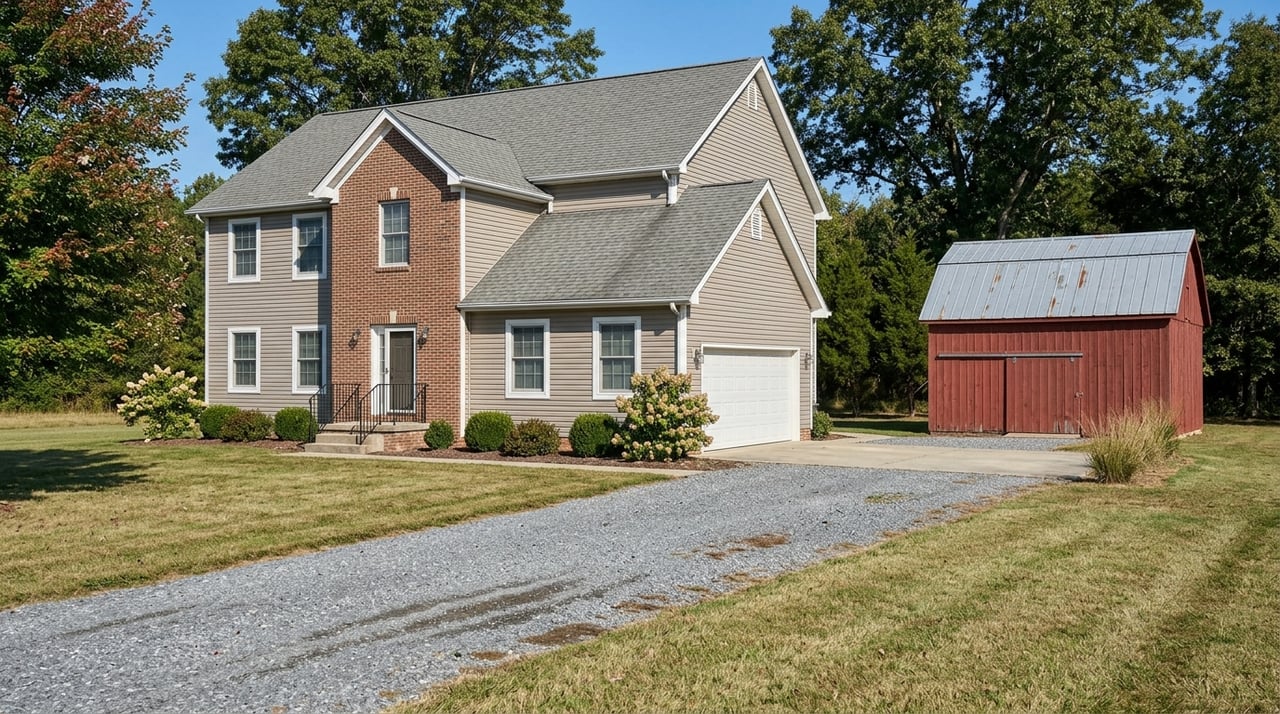
A Carroll County farmette often includes more than just a house and open yard. Depending on the property and zoning, you may find barns, sheds, fenced areas, stables, and other accessory structures. These features are part of what gives rural properties their flexibility and appeal.
County code in the Agricultural and Conservation Districts allows a range of accessory and incidental uses. These can include accessory buildings, accessory dwelling units, private stables, roadside stands for farm products, cottage industry, home occupations, lawn care and maintenance service, firewood, mulch, or woodchip production, and certain farm-alcohol-production-related uses such as tasting rooms and tours.
That does not mean every property automatically qualifies for every use. Some uses require approval or must meet specific conditions. Still, it shows that many Carroll County rural properties are designed around practical land use, not just residential square footage.
Outbuildings and Structure Limits
If you are planning a garage, pole barn, shed, or stable, the details matter. Carroll County places height limits on accessory buildings based on zoning district. In the Agricultural District, accessory buildings generally may not exceed 25 feet in height.
In the R-40,000, R-20,000, and R-10,000 districts, accessory structures generally may not exceed 20 feet in height. That difference may not sound dramatic, but it can affect the design and utility of a future building.
You should also pay close attention to easements. The county warns that permanent structures should not be placed in utility easements. If you are thinking about adding a garage or equipment shed later, this is a key part of your site planning.
Keeping Horses or Animals
Many buyers picture a few horses or hobby animals when they imagine farmette living. In Carroll County, that may be possible, but the county code sets clear standards. These are not rules you want to assume your way around.
The code allows one private stable on a lot or parcel of 3 acres or more for one animal unit, with a minimum fenced area of 2 acres. Each additional animal unit, up to five, requires one more fenced acre.
For up to five animal units, structures used to shelter, feed, or care for livestock must be set back 100 feet from adjoining existing residences. The code also states that no administrative adjustment or variance is allowed for those minimum acreage or setback requirements. In plain terms, if the property does not fit the rule, there is not much flexibility.
Well and Septic Matter More Than You Think
A large share of rural properties in Carroll County rely on private well and septic systems. That is common, but it also means you need to do more homework than you might on a property with public utilities. The Carroll County Health Department handles related rules and records.
When you are evaluating a property, it helps to ask early whether it uses well and septic and what records are available. This can affect daily use, future improvements, and long-term maintenance planning.
It is also a reminder that rural real estate is often more about systems and land conditions than finishes and paint colors. A beautiful property still needs to work well on the practical side.
Due Diligence for Rural Buyers
Buying acreage in Carroll County should come with a wider due diligence checklist. University of Maryland Extension recommends using GIS and other mapping tools to study topography, surrounding farms, building locations, proximity to water, and historical imagery. It also advises checking soils, drainage, and deed or plat restrictions.
The county notes that many subdivision plats can be found through Maryland State Archives plats records. UMD Extension also cautions that farmland is often burdened by easements that can affect access or land use.
This is especially important if you hope to expand, subdivide, add structures, or support a more active agricultural use in the future. A property may look full of potential, but an easement or preservation restriction can change what that potential really looks like.
Understand the Rural Lifestyle Tradeoffs
Acreage living can be peaceful and rewarding, but it is important to understand what comes with it. Carroll County’s Right to Farm notice tells nearby residents to expect normal agricultural impacts such as noise, odors, flies, dust, and machinery operating at any hour. The same disclosure states that agricultural operations lawfully exist in all zoning districts in the county.
For many buyers, that is part of the appeal. You get open space, a rural backdrop, and a county where agriculture is part of everyday life. But if you want country views without the realities of working farms nearby, it is worth being honest with yourself before you buy.
Smart Questions to Ask Before You Buy
If you are serious about acreage or farmette living in Carroll County, keep your questions focused on the property’s actual use and limits. A careful review upfront can save you time, money, and frustration later.
Here are some of the most important questions to ask:
- What is the property’s zoning district?
- Are animals allowed based on the parcel size and fenced area?
- Are there setback rules that affect barns, stables, or other structures?
- Does the property use private well and septic, and what records are available?
- Are there easements, plats, or preservation restrictions on the land?
- Is the property in county jurisdiction or inside a municipality with different zoning rules?
- Are you comfortable with the normal noise, odors, dust, and equipment activity that can come with nearby agricultural operations?
How Dennis Thomas Can Help
Acreage and farmette properties ask different questions than a standard suburban home search. You are not just evaluating bedrooms and finishes. You are also looking at land use, structures, systems, and future flexibility.
That is where clear guidance and local market insight can make a real difference. If you are exploring Carroll County acreage or trying to decide whether a farmette fits your goals, working with an agent who values communication, preparation, and practical details can help you move forward with confidence.
If you are ready to talk through your options, connect with Dennis Thomas for a free consultation and a more informed plan for your next move.
FAQs
What makes Carroll County a good place for acreage living?
- Carroll County has a strong agricultural base, with the county reporting that 50% of its land mass is in agricultural use and more than 80,067 acres have been protected through farmland preservation as of June 2024.
What zoning should buyers check for Carroll County farmette properties?
- Buyers should verify whether a property is in the Agricultural District, Conservation District, or a larger-lot residential district because allowed uses, setbacks, and lot rules can vary.
Can you keep horses on a Carroll County farmette?
- A private stable is allowed on a lot or parcel of 3 acres or more for one animal unit with at least 2 fenced acres, and each additional animal unit up to five requires one more fenced acre.
Do Carroll County rural properties usually have well and septic?
- Many rural properties in Carroll County use private well and septic systems, and related rules and records are handled by the Carroll County Health Department.
What should buyers review before purchasing acreage in Carroll County?
- Buyers should review zoning, easements, subdivision plats, soils, drainage, utility easements, well and septic records, and any preservation restrictions that could limit future use.
What should buyers expect near working farms in Carroll County?
- Carroll County’s Right to Farm notice says residents should expect normal agricultural impacts such as noise, odors, flies, dust, and machinery operating at any hour.