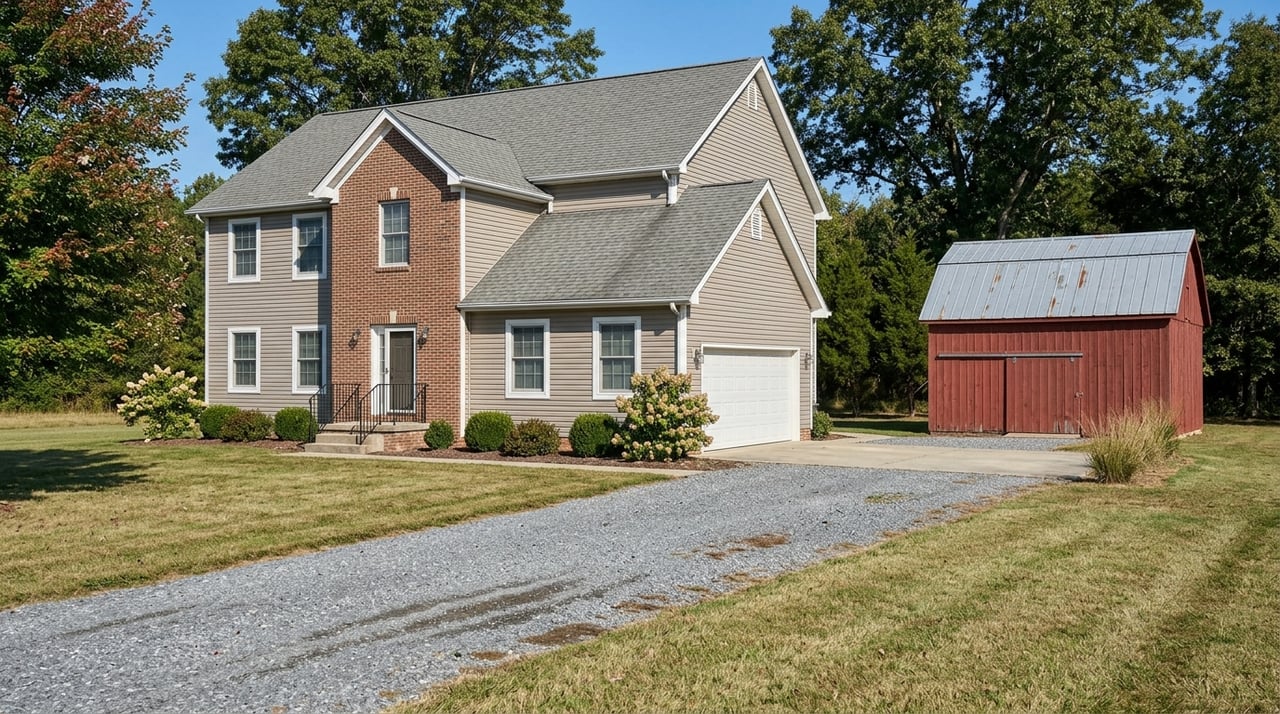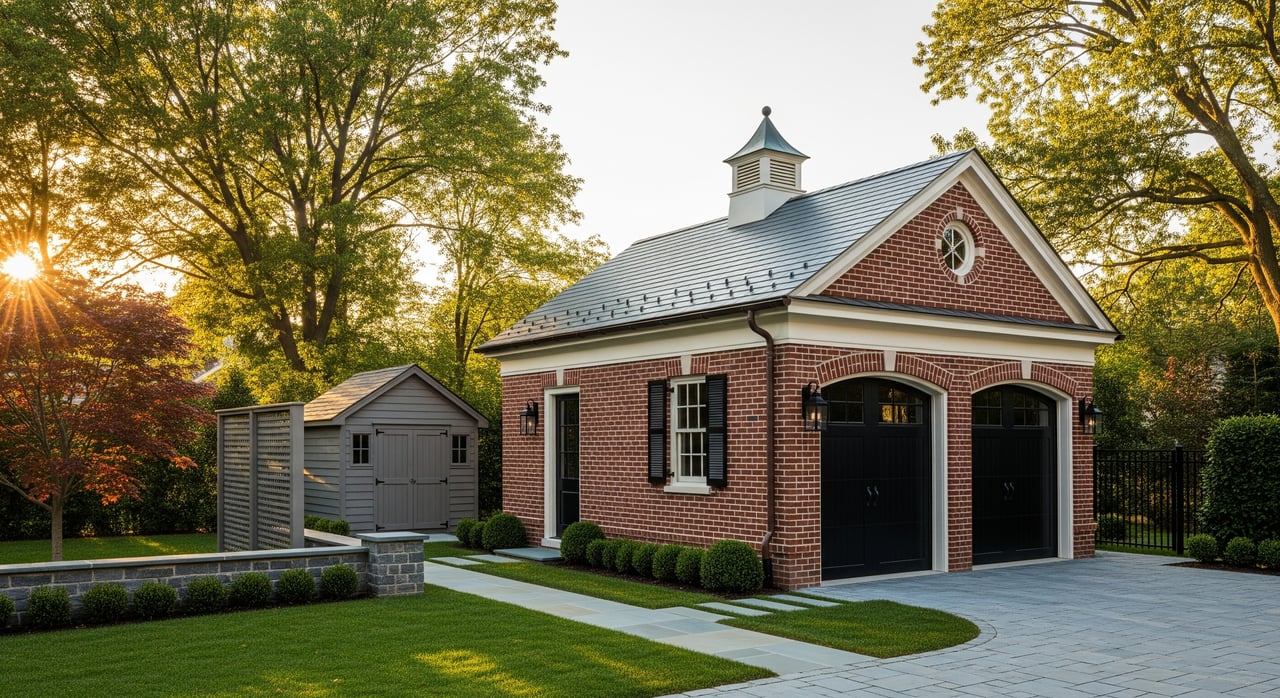
Thinking about adding a shed or detached garage to your Baltimore County home? Before you buy a kit or call a contractor, it pays to know what the county allows and when permits are required. A little planning up front can save you time, money, and headaches later.
In this guide, you’ll learn how Baltimore County regulates accessory structures, what size and placement rules usually apply, when permits and inspections are triggered, and the special site constraints that can affect your plans. You’ll also get a simple checklist to move from idea to approved project with confidence. Let’s dive in.
Who regulates sheds and garages
Baltimore County regulates sheds, detached garages, and similar accessory structures through several departments. The Department of Permits, Approvals and Inspections (DPAI) manages permit applications and inspections. Zoning rules come from the Baltimore County Zoning Regulations and county code. Planning and zoning staff can help interpret setbacks, lot coverage, and whether a structure is considered accessory.
You may also need input from stormwater and watershed staff if your project adds impervious surface or disturbs land above certain thresholds. The Maryland Department of the Environment may be involved for floodplain or wetlands, and the Baltimore County Health Department reviews setbacks near septic systems and wells. If your property is in a local historic district, the Historic Preservation Commission may require design review.
Private rules can apply too. Homeowners associations often have stricter standards and approval processes that sit on top of county requirements.
What size and placement rules apply
Every property sits in a specific zoning district, and that district sets the rules for where and how big your accessory structure can be. These rules typically cover:
- Accessory use status. The structure must be secondary to your home and used for things like storage or parking. It is not a separate dwelling unless allowed by county rules.
- Setbacks. Most zones limit how close you can build to front, side, and rear property lines. Many allow accessory buildings in rear yards and side yards, but front yards are often restricted.
- Height. Accessory structures usually have lower height limits than the main house. The exact limit varies by zone.
- Lot coverage and impervious surface. Roofs and paved pads count toward how much of your lot can be covered. That can affect larger garages, long driveways, or multiple structures.
Exact numbers depend on your zoning district and lot. Always confirm your parcel’s zoning and the applicable tables in the county regulations before you order materials or pour a slab.
When you need a permit
Whether you need a building permit depends on size, construction, and what systems you add. In many places, very small sheds may not need a building permit, but zoning rules still apply. In Baltimore County, you should plan for the following possible approvals:
- Building permit. Common for detached garages and larger or enclosed sheds, especially with foundations, roofs, or weatherproof walls.
- Zoning approval or clearance. Confirms setbacks, height, and lot coverage. Often part of the building permit review.
- Electrical permit. Required for any new wiring, lighting, outlets, or service panels in a shed or garage.
- Plumbing permit. Required for water lines, sinks, or drains, or if you are converting space to a habitable use.
- Mechanical permit. Required for installed heating or cooling systems.
- Stormwater or grading permit. May be triggered if your project adds impervious surface or disturbs soil above county thresholds; can require engineered controls.
- Health department approval. Needed if you are near a septic tank, drain field, or well, or if you add plumbing fixtures that affect your system.
- Demolition permit. If you are removing an existing garage.
- Historic review. If the property is in a local historic district.
- Driveway or right-of-way permit. If work alters an apron or access within the public right-of-way.
Even when a building permit is not required, you still must respect zoning setbacks, easements, and HOA rules. When in doubt, contact DPAI with your parcel information and a simple sketch.
Special site constraints to check
Some sites come with extra rules that shape what and where you can build. Common constraints include:
- Easements and rights-of-way. Utility, drainage, or access easements usually prohibit structures over them. Check your plat and deed for any recorded easements.
- Floodplain, wetlands, and steep slopes. Building in flood-prone or environmentally sensitive areas can require special permits, elevation standards, or may be limited outright.
- Septic systems and wells. Minimum setbacks protect your septic system and water supply. Building over a septic reserve area is typically not allowed.
- Historic districts. Design review may control materials, placement, and appearance for new accessory structures.
- HOAs and private covenants. Many communities regulate size, materials, colors, and location and require separate approvals even when the county does not.
Identify these constraints early so you can site your shed or garage in a compliant, low-risk location.
Sheds, containers, and temporary structures
Not all storage is the same in the eyes of the county. Shipping containers, on-site storage pods, and temporary structures often have special limits or timeframes. Some are treated as accessory buildings and must follow setbacks. Others are allowed only for short-term use. Long-term placement on lawns or driveways without approval can violate zoning or community covenants.
Before you rent or buy a container, check how the county classifies it and what time limits or permits apply.
Converting a garage or shed to living space
Turning a detached garage or shed into a studio, office, or accessory dwelling unit involves more than finishes. You are adding habitable space, which typically triggers full building, electrical, plumbing, and mechanical permits. You will need to meet building code requirements for insulation, ventilation, egress, and life safety.
Zoning may regulate whether an accessory dwelling is allowed, how large it can be, where it sits on the lot, and whether extra parking is required. Baltimore County has specific rules that can change over time, so confirm what is allowed before you design the space.
Step-by-step planning checklist
Use this simple process to move from idea to approved project:
Look up your property’s zoning. Identify your zoning district and any overlays. Review accessory structure rules for setbacks, height, and coverage.
Call or email zoning staff. Share your parcel ID, a simple description, and the footprint, height, and location you have in mind. Ask about any permit triggers.
Prepare a plot plan. Sketch your property lines, house, existing structures, easements, septic or well locations, and the proposed shed or garage with distances to property lines.
Confirm stormwater needs. If you are adding significant roof or paving, or grading on slopes, consult stormwater staff or a civil engineer to understand controls or permits.
Check HOA and historic rules. Secure HOA design approval and historic review if applicable before ordering a prefabricated structure or pouring a slab.
Apply for permits. Submit your application to DPAI with the plot plan, structural details, contractor information, and system plans as needed.
Schedule inspections. Expect footing or slab, framing, electrical, and final inspections based on the work involved.
Keep records. Save approved plans, permits, and inspection sign-offs for future resale and insurance.
Smart tips to avoid delays and extra costs
- Verify before you buy. Many retailers sell sheds sized to skip building permits in some places, but zoning still applies. Confirm your site’s rules first.
- Plan utilities early. If you want lights or outlets, include an electrical permit and conduit in your initial plan instead of retrofitting later.
- Build to future needs. If you may finish the space later, consider framing, slab insulation, and egress now to align with code.
- Mind drainage. Add gutters and downspouts that discharge to a suitable area. Do not direct runoff toward a neighbor or a septic field.
- Respect easements. Measure and mark easement areas on your plot plan so installers do not place structures where they do not belong.
Timeline, fees, and inspections
Review times vary by project size and whether stormwater or health reviews are needed. Small, straightforward permits can move in days to weeks. Larger garages or projects with engineered stormwater can take longer. Fees depend on permit type and project valuation.
Plan for standard inspections tied to your scope, such as footing or slab, framing, electrical rough-in, and final. If you are converting a space to habitable use, expect additional building, electrical, plumbing, and mechanical inspections.
How this affects your sale or purchase
Unpermitted sheds or garages can slow a sale if appraisers or inspectors flag issues. Buyers often ask for proof of permits and final inspections. If structures are built over easements or too close to property lines, you may face repair, relocation, or removal.
If you are preparing to sell, gather your permit records and plot plans now. If you are buying, ask for documentation on any detached structures and verify they align with county rules.
Ready to talk through your plans or how a shed or garage impacts value and marketability? Schedule a Free Consultation with Unknown Company and get a local, practical plan for your property.
FAQs
Do small sheds in Baltimore County need a permit?
- It depends on size, construction, and whether you add utilities. Even if a building permit is not required, zoning setbacks, easements, and HOA rules still apply. Confirm specifics with DPAI.
How close can a detached garage be to my property line in Baltimore County?
- Setbacks are zone-specific. Many zones allow accessory buildings in the rear yard with reduced side and rear setbacks, but you must verify your district’s exact distances with zoning staff.
Can I place a shed in my front yard in Baltimore County?
- Most codes restrict accessory structures in required front yards. Corner lots can have two front yards. Check your parcel’s definitions for front and street yards before you site a shed.
Do roofs and concrete pads count toward lot coverage in Baltimore County?
- Yes. Roofs and paved surfaces add impervious area and count toward lot coverage. Larger projects can trigger stormwater review and controls.
What permits do I need if I add electricity to a shed in Baltimore County?
- You will need an electrical permit for new wiring, outlets, or lighting. If you also change structure size or use, you may need building and zoning approvals.
Can I convert my detached garage into a rental unit in Baltimore County?
- Conversions to habitable space generally require full building, electrical, plumbing, and mechanical permits and must meet life-safety codes. Zoning may limit accessory dwellings or require parking.
What happens if I build a shed without approvals in Baltimore County?
- County code enforcement can issue stop-work orders, fines, or require removal of noncompliant structures. HOAs may also enforce their own penalties.