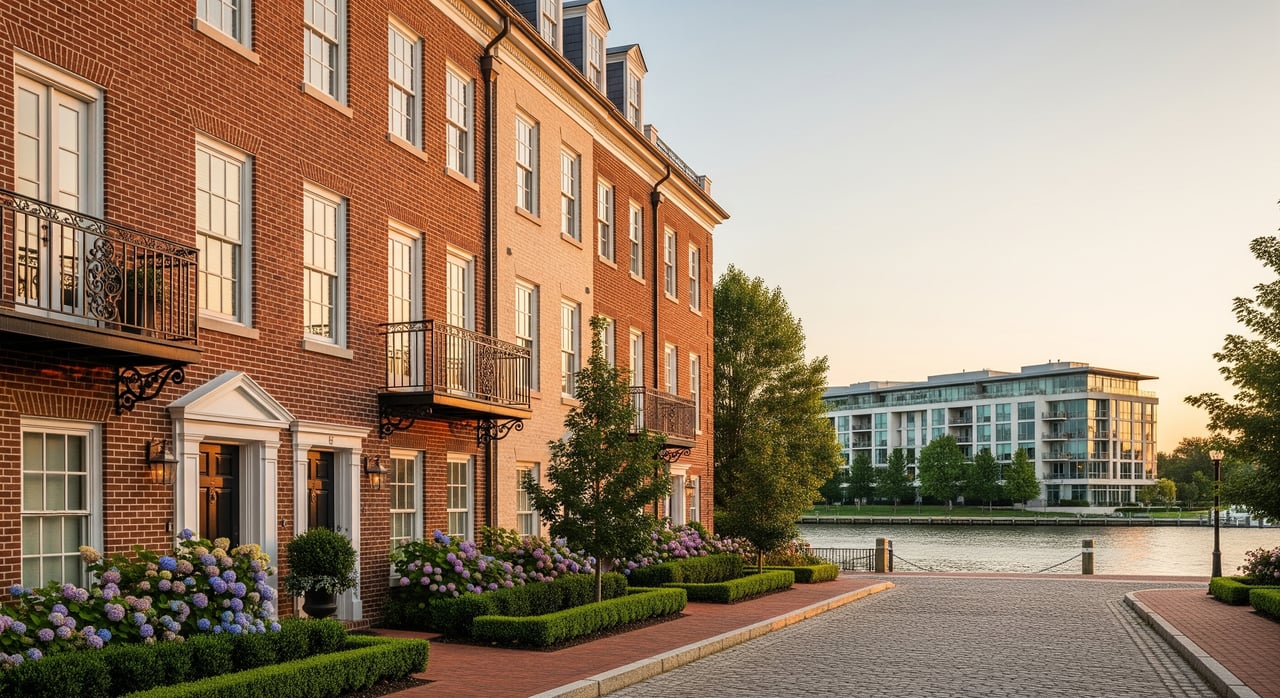
Trying to decide between a condo and a townhome in Anne Arundel County? You are not alone. Many first-time buyers and move-down buyers face this choice, and the right answer depends on ownership structure, monthly costs, maintenance, financing, and lifestyle. In this guide, you will learn how each option works in Maryland, what to watch for in local communities, and how to avoid costly surprises. Let’s dive in.
What you own and maintain
Condos in Maryland
In a condominium, you own your individual unit and share an undivided interest in the common areas. A condominium association governs the building through a recorded declaration, bylaws, and rules. The association typically manages the exterior, the building envelope, and shared systems. If you want the lowest day-to-day exterior maintenance, a condo often delivers that convenience.
Townhomes and PUDs
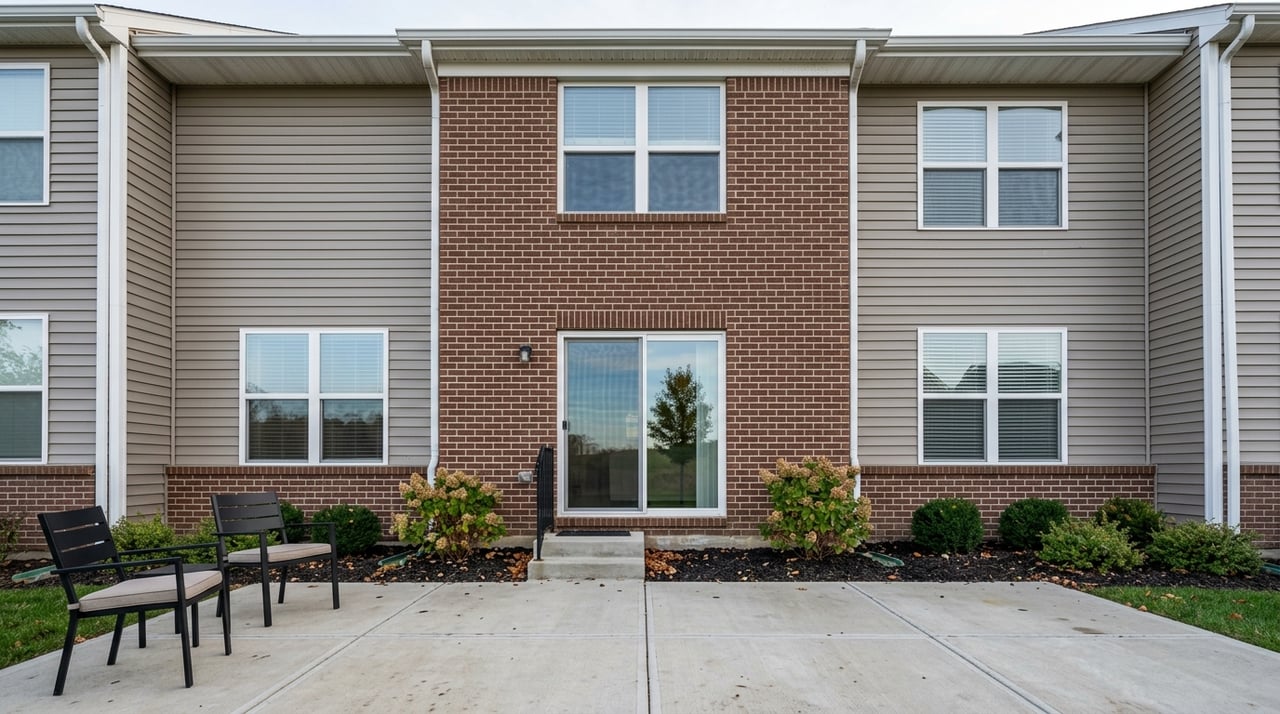
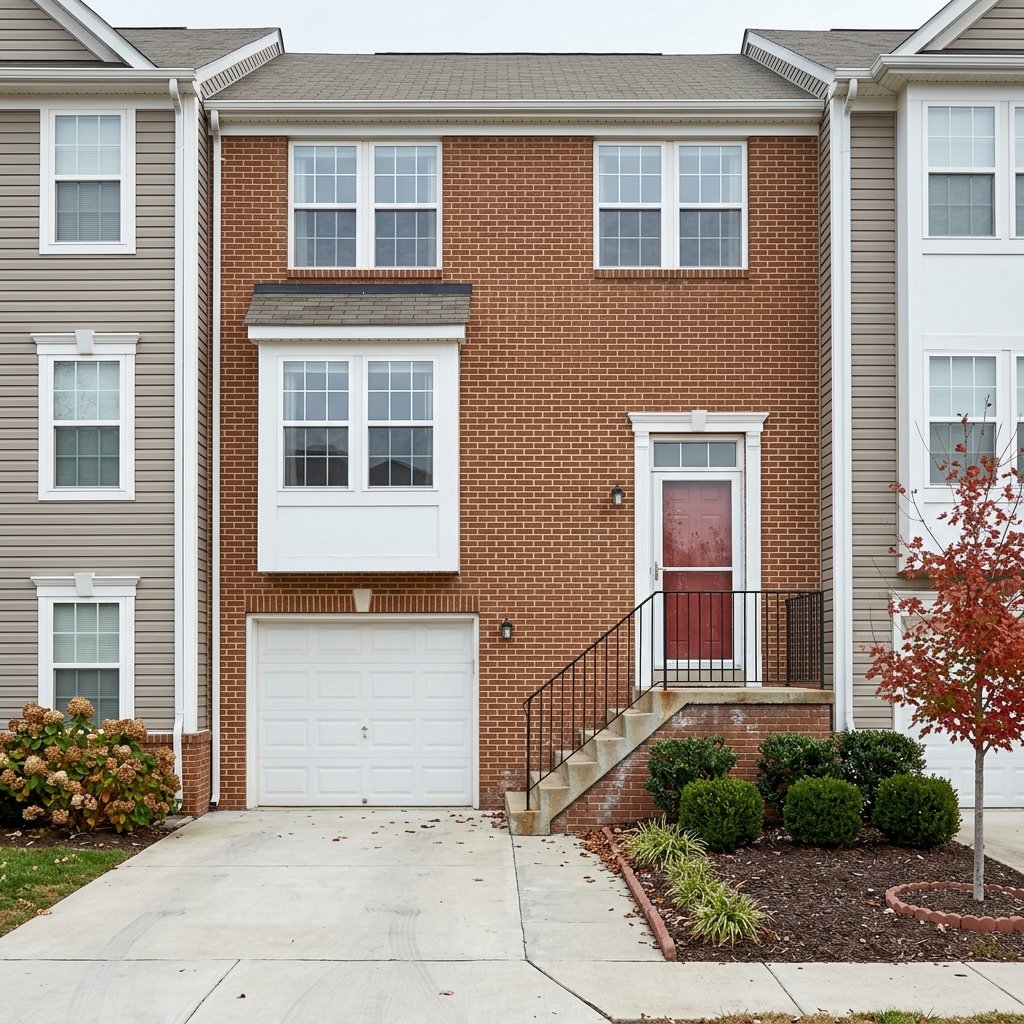
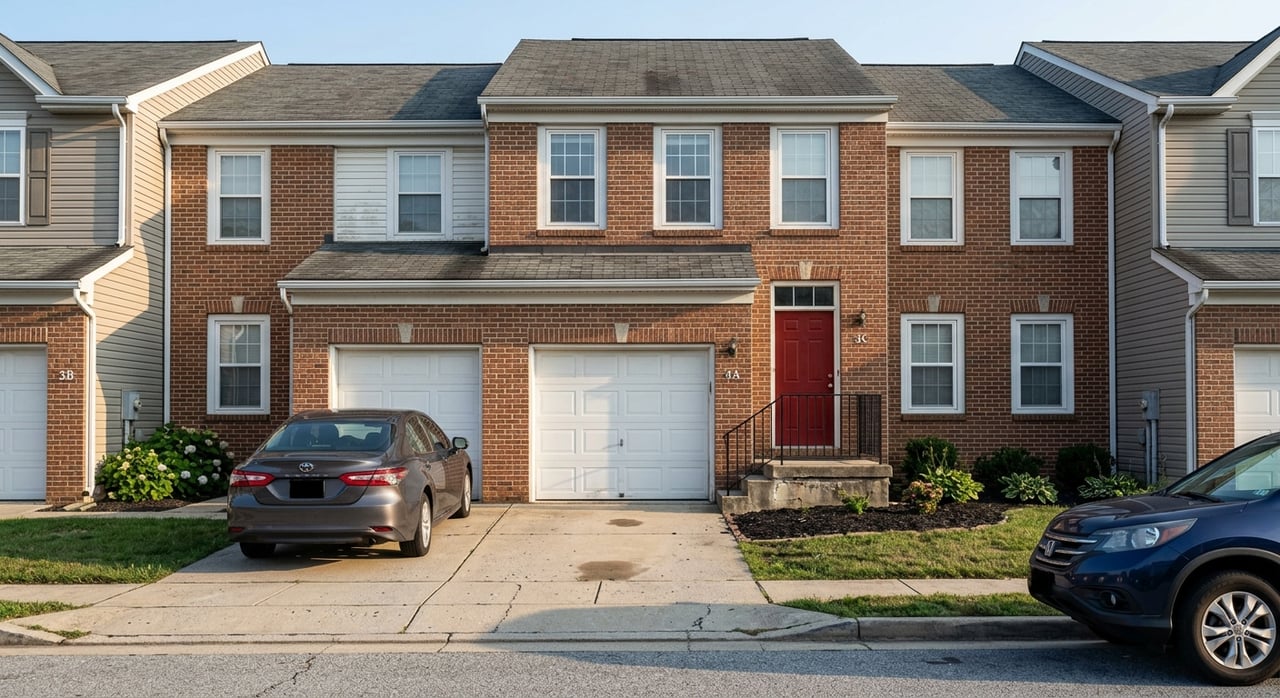
Townhomes in Anne Arundel County come in different legal forms. A fee-simple townhome means you own the home and the land underneath, and you are usually responsible for your roof, exterior, and yard. Some townhomes sit inside a condominium or planned unit development, where the association may handle exterior maintenance similar to a condo. Do not rely on the label “townhome” to assume fee-simple ownership.
Why legal form matters
Legal structure affects who fixes what, which insurance policy you buy, and your exposure to association votes and assessments. Always verify the recorded declaration, plat, and HOA documents to confirm maintenance obligations and restrictions. You can review Maryland’s statutes for context on how condominiums are governed by visiting the Maryland General Assembly statutes page.
Monthly costs and fees
HOA and condo fees
Condo communities typically charge monthly dues that may include exterior maintenance, a master insurance policy, common utilities, trash, snow removal, landscaping, reserves, and amenities. Townhome dues vary widely. Fee-simple townhomes often have lower dues if the HOA only maintains common areas, while townhomes in a condo or PUD can have dues similar to condos. Communities near water or with amenities like pools and marinas often carry higher fees in Anne Arundel County.
Property taxes and assessments
Property taxes are based on assessed value and local rates set by Anne Arundel County and municipalities where applicable. You can explore county tax resources from the Anne Arundel County Office of Finance. Associations can levy special assessments for capital projects when reserves fall short. Building-wide projects, such as roofs or siding, can lead to larger assessments in some condominium communities.
Insurance and flood risk
In a condo, the association’s master policy generally covers the building’s exterior and common areas. You would typically carry an HO-6 policy for your interior finishes and personal property. In a fee-simple townhome, you often need an HO-3 policy for the structure and contents unless your association covers certain exteriors. Anne Arundel County includes coastal and riverside areas where flood insurance may be required based on FEMA flood zones. Check your flood zone using the FEMA Flood Map Service Center and review consumer guidance from the Maryland Insurance Administration as you compare quotes.
Financing in Anne Arundel County
Condo underwriting
Lenders scrutinize condo projects more closely than fee-simple homes. Project approval, owner-occupancy ratios, investor concentration, litigation, and reserve strength can all affect loan options. Some programs require project approval or additional documentation, and inadequate reserves or high investor ratios can limit access to certain loans.
FHA and VA considerations
If you plan to use FHA or VA financing, confirm condo project approval early to avoid surprises. You can search project status with the HUD FHA condominium lookup. Fee-simple townhomes are usually underwritten like single-family homes, but townhomes in a condo or PUD may face condo-style rules. Early lender conversations save time, especially if you commute to DC or Baltimore and rely on FHA or VA programs.
Daily life differences
Maintenance and reserves
In many condos, you will not handle exterior maintenance, but you are still paying for it through dues. Strong reserves reduce the chance of special assessments, especially in buildings with elevators or complex mechanical systems. Fee-simple townhome owners usually plan and pay for roof, exterior, lawn care, and hardscape directly. If you want control over your yard and exterior finishes, a fee-simple townhome might fit you better.
Noise, parking, pets, and rentals
Condos can involve vertical noise transfer from neighbors above or below, while townhomes share side walls and often have private entries or small yards. Parking setups vary widely: condos may have assigned spaces, while townhomes may have garages or driveways but limited guest parking. Associations frequently set pet and rental rules. Review these carefully because they affect both lifestyle and resale.
Documents to review
Request and read the association’s declaration, bylaws, rules, current budget, financials, reserve study, insurance certificate, and recent meeting minutes. Ask about any litigation, planned capital projects, fee histories, and master policy deductibles. To confirm recorded documents or ownership type, start with the county’s land records resources through the Anne Arundel County Clerk of the Circuit Court land records page.
Lifestyle and resale in Anne Arundel County
Space and amenities
Townhomes often provide more square footage and private outdoor space. Condos tend to offer convenience and amenities such as fitness rooms or pools, which suit lock-and-leave living. Consider which daily tradeoffs matter most: space and privacy or convenience with fewer direct maintenance tasks.
Commute and location
Anne Arundel County sits along major commuter corridors to Annapolis, DC, Baltimore, and BWI. Think about your proximity to Route 50, I-97, and MD-295. Condos near transit nodes and walkable centers suit buyers who want minimal car use. Suburban townhomes may work better if you want more space while staying within reach of those corridors.
Waterfront tradeoffs
Waterfront or water-access communities may command premium prices but can come with higher insurance costs and potential coastal maintenance projects. Pay close attention to flood history, mitigation efforts, and association reserves if the community fronts the Chesapeake Bay or local rivers.
Buyer checklist
- Confirm legal ownership type: condo declaration vs. fee-simple deed vs. PUD. Get recorded plat and deed language.
- Request association documents: declaration, bylaws, rules, current budget, financials, reserve study, meeting minutes, insurance, and litigation disclosures.
- Verify monthly dues and what they cover, including utilities and master insurance.
- Ask about special assessments in the past 5 years and any planned capital projects.
- Confirm responsibility for exterior, roof, HVAC pipe stacks, driveways, and yards.
- Review rental and pet policies if they affect your plans.
- Check flood zone via the FEMA Flood Map Service Center and ask about flood claims or mitigation projects.
- Ask about owner-occupancy vs. investor percentages and how they may affect financing.
- If using FHA or VA, check project approval with the HUD FHA condominium lookup and talk to your lender early.
- Estimate non-HOA maintenance for townhomes, such as lawn care, gutter cleaning, and roof repairs. Use Maryland Insurance Administration guidance to compare insurance types and deductibles.
Which is right for you?
If you want convenience, shared amenities, and minimal exterior work, a condo can be a great fit. You will trade control of the exterior for predictable, all-in monthly dues and association oversight. If you prefer more space, a small yard, and greater control over maintenance, a fee-simple townhome often delivers that at the cost of more hands-on upkeep.
The best choice aligns with how you live, commute, and budget. Use the checklist, confirm the legal structure, and weigh fees and reserves against personal maintenance appetite. For added clarity, review consumer tips from the Consumer Financial Protection Bureau’s condo buying guide.
Ready to compare options in your price range and target neighborhoods? Reach out to Dennis Thomas to talk strategy, review documents, and map a plan that fits your goals.
FAQs
Do I need flood insurance for a condo or townhome in Anne Arundel County?
- Flood insurance may be required if the property sits in a FEMA-designated flood zone; confirm using the FEMA Flood Map Service Center and ask your lender and insurer how that impacts cost.
What does an HOA or condo fee usually cover?
- Fees often fund exterior maintenance, common areas, a master insurance policy, and reserves, but coverage varies, so ask for a line-item budget, current financials, and the master insurance declarations.
Are condos harder to finance than townhomes in Maryland?
- Condos can face extra project underwriting, owner-occupancy thresholds, reserve requirements, and litigation reviews; verify project status early and check the HUD FHA condo lookup if you plan to use FHA.
Who fixes the roof in a townhome community?
- It depends on the legal structure and recorded documents; fee-simple owners often handle their own roofs, while townhomes in a condo or PUD may have association responsibility.
What is a special assessment and how can I avoid surprises?
- A special assessment is a one-time owner charge for capital projects when reserves are short; review the reserve study, funding history, meeting minutes, and recent projects to gauge risk.