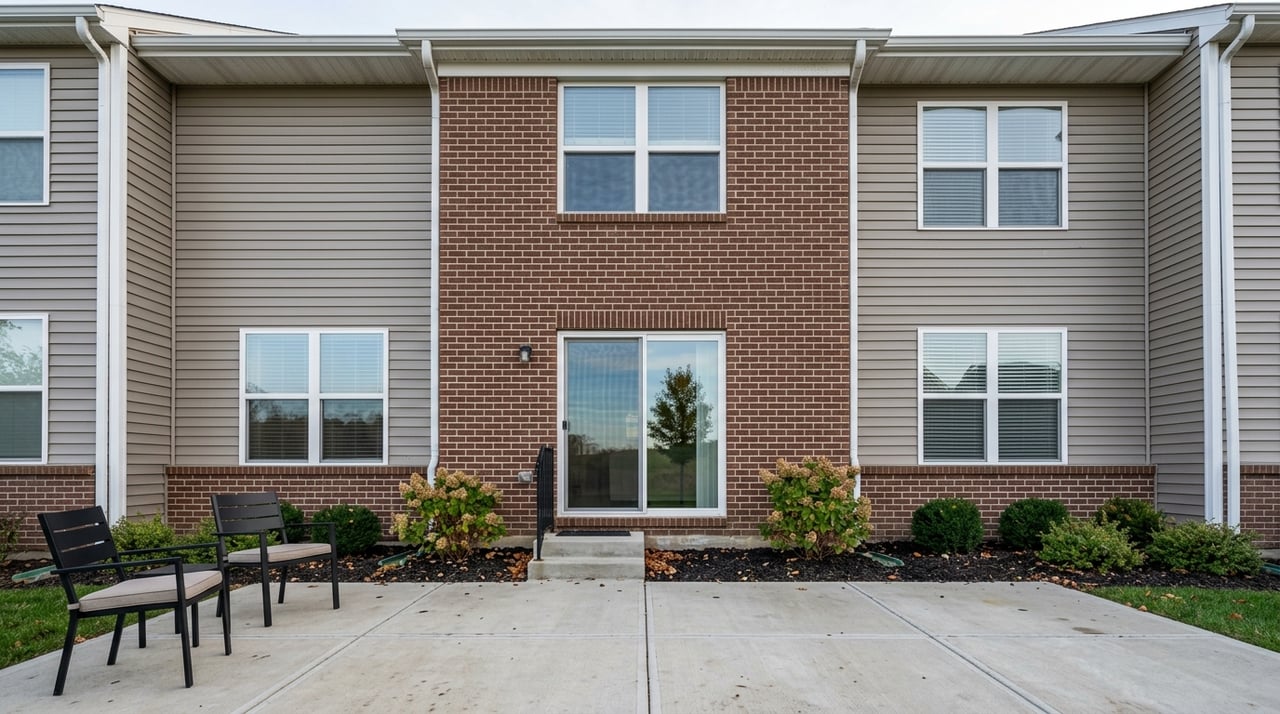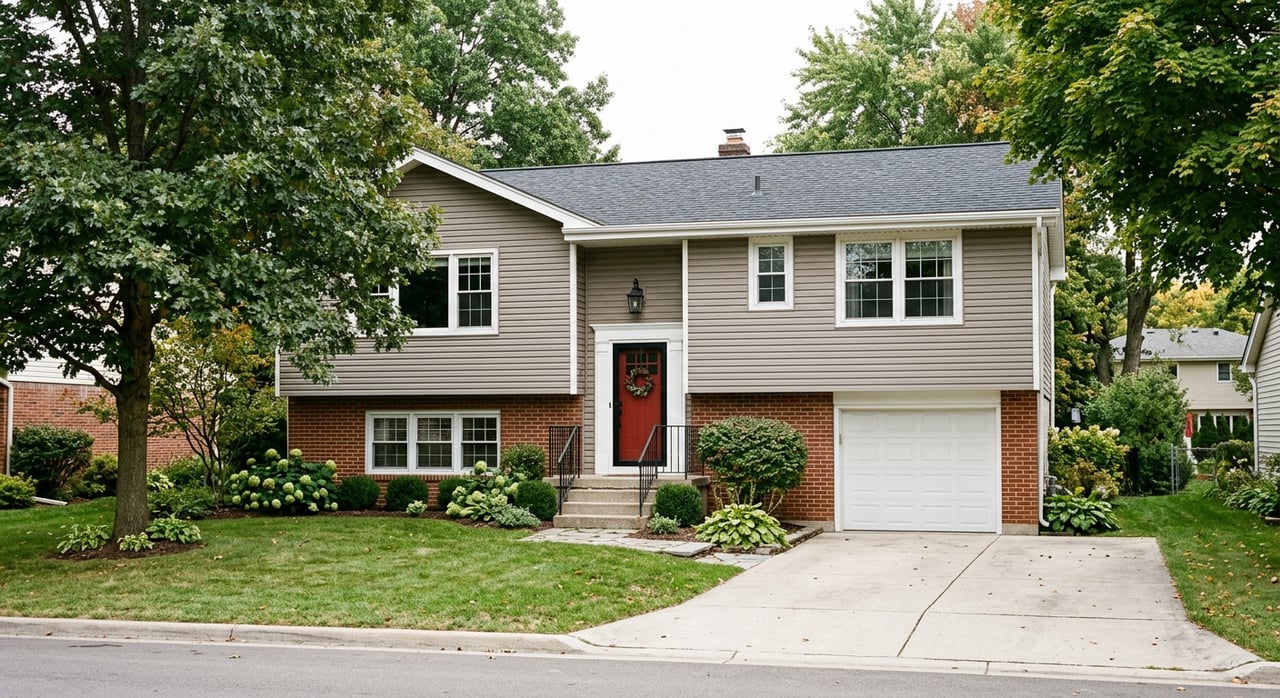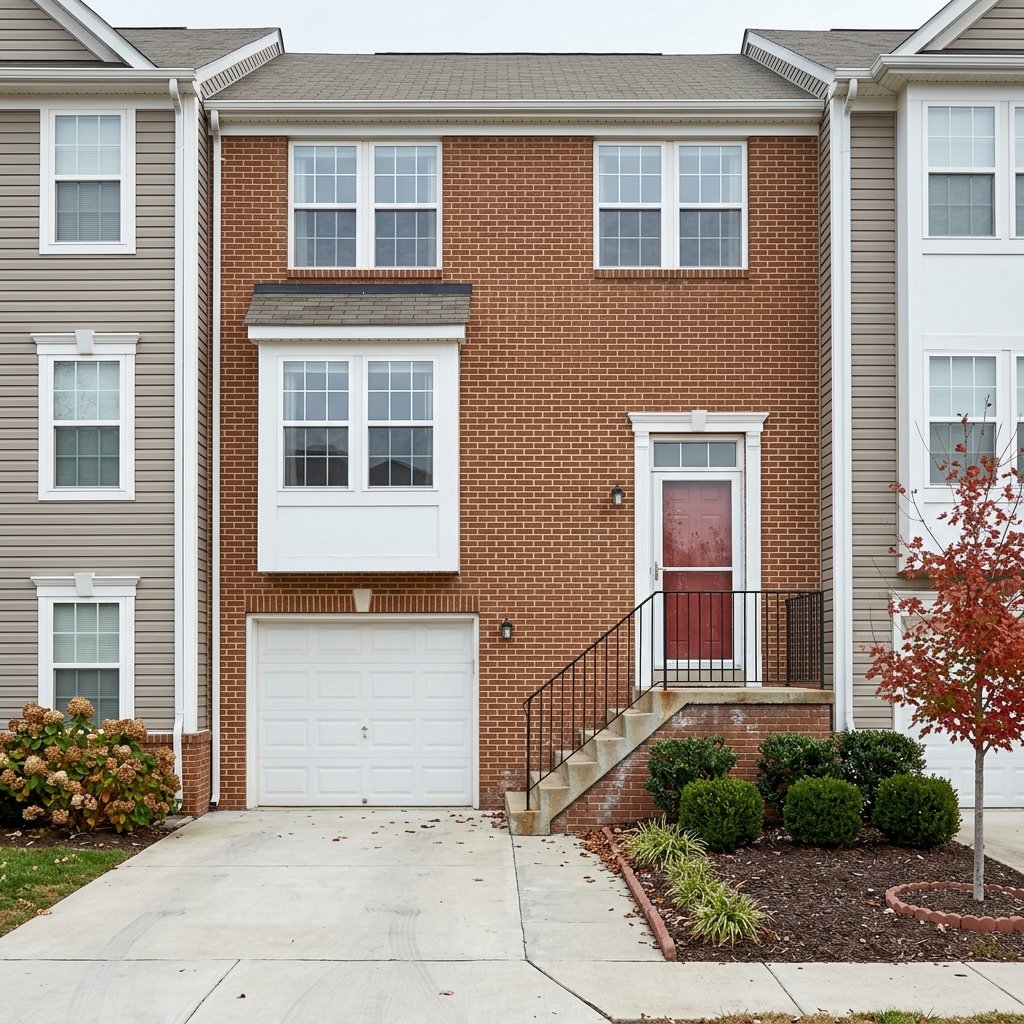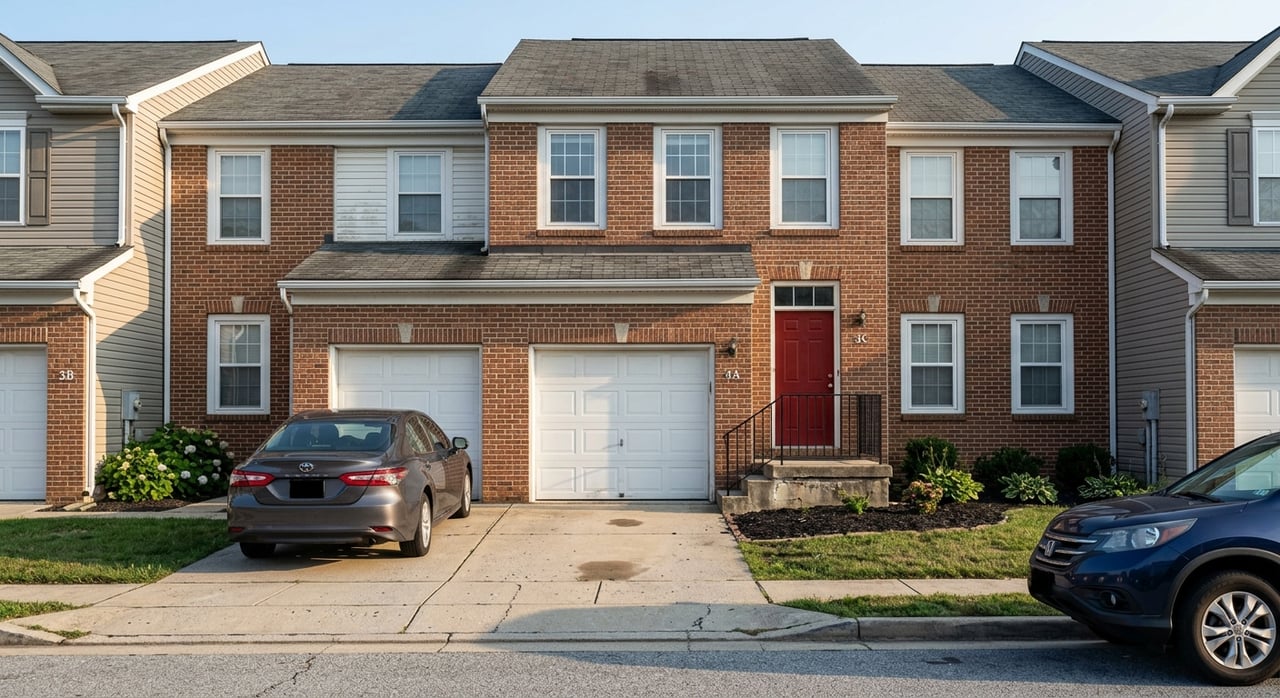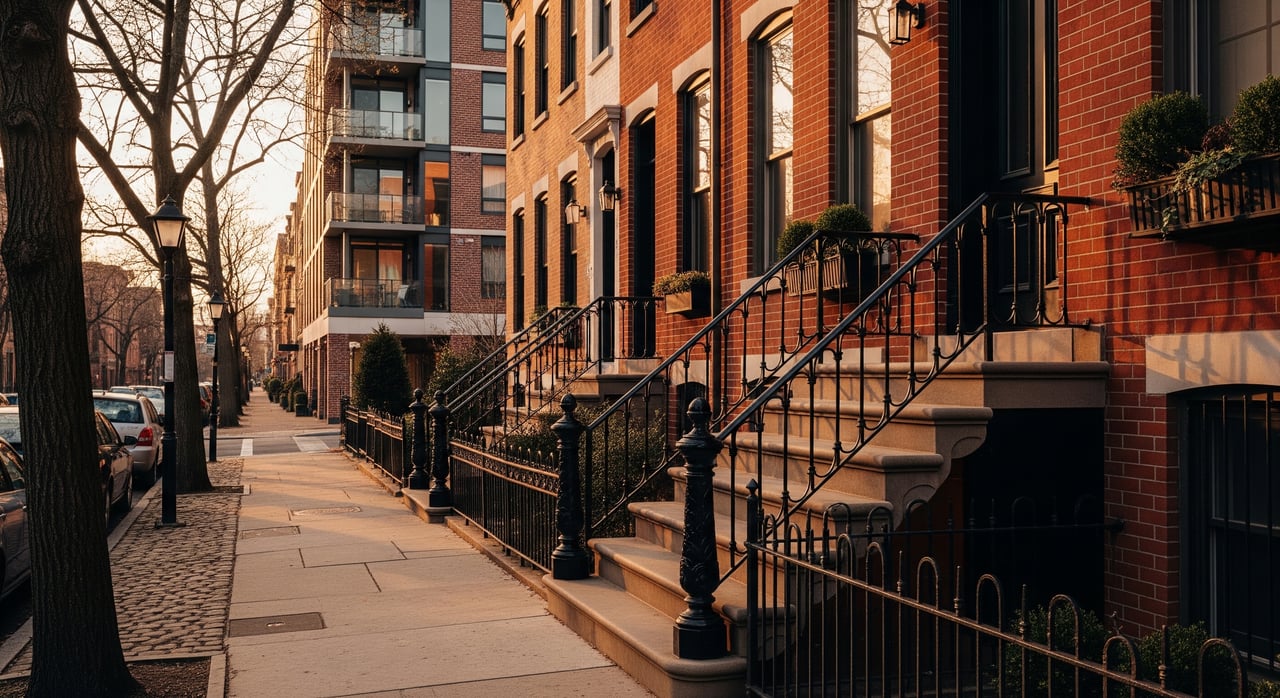
Trying to decide between a Baltimore rowhome and a condo? You are not alone. Both options can work well in the city, but they fit different lifestyles, budgets, and goals. In this guide, you’ll learn how maintenance, costs, amenities, financing, and resale potential compare, plus the key questions to ask before you make an offer. Let’s dive in.
Rowhome vs. condo basics in Baltimore
Baltimore’s housing stock features many historic and early 20th‑century rowhouses, with condos clustered around the Inner Harbor, Harbor East, Mount Vernon, and parts of downtown. Rowhomes are common in Federal Hill, Fells Point, Canton, Charles Village, Bolton Hill, and many neighborhoods across East and West Baltimore. Condos range from converted historic buildings to newer mid‑ and high‑rise projects with modern finishes and amenities.
If a rowhome is in a historic district, exterior changes usually need review by the City’s historic preservation body (CHAP). That can affect windows, doors, porches, rooflines, and materials. Condos operate under association rules, which cover building operations and common elements.
Maintenance and monthly costs
Rowhome upkeep
With a rowhome, you are usually responsible for the roof, exterior walls, windows, porches, chimneys, plumbing, electrical, HVAC, and foundation. Shared party walls reduce exterior exposure, but roof and parapet issues can still impact attached homes. Historic properties may require specialized materials and contractors, which can cost more. Your costs may come in larger, one‑time projects based on condition and inspection findings.
Condo fees and assessments
Condo associations handle common elements like the roof, exterior envelope, elevators, lobbies, and shared systems. You pay monthly fees that fund routine maintenance, common‑area utilities, insurance for shared spaces, and reserves for big projects. Fees vary by building age, amenities, and reserve strength. Fees can increase, and special assessments are possible if reserves are low or capital projects arise.
What this means for you: Rowhomes often come with variable, lump‑sum repair costs. Condos smooth many expenses into monthly fees, but you must account for fee increases and assessment risk.
Space, layout, and lifestyle
Rowhome living
Rowhomes often have vertical layouts with multiple levels, basements, and sometimes small yards or roof decks. You may find flexible options to reconfigure interiors, open walls, relocate kitchens, or add baths, subject to permits and structural limits. You get direct street access and a private‑home feel.
Condo living
Condos range from compact studios to multi‑bedroom homes, including some townhouse‑style units. Newer buildings often provide open plans and higher‑end finishes. You share corridors and elevators, and some buildings offer in‑unit laundry while others have shared laundry rooms. Amenities like fitness centers, concierge, package rooms, and shared rooftop decks are more common in newer or luxury buildings.
Lifestyle fit: Choose a rowhome if you want private outdoor space and renovation flexibility. Choose a condo if you prefer low‑touch living, elevator access, and on‑site amenities.
Parking, security, and amenities by area
- Amenities: Many Harbor East and Inner Harbor condo buildings offer fitness rooms, concierge services, package management, and rooftop spaces. Rowhomes often trade shared amenities for private yards, porches, and basements.
- Security: Condo buildings may have controlled access such as fobs or doormen. Rowhome security relies on locks, lighting, and neighborhood engagement.
- Parking: Older rowhome streets can be permit‑parking only, though some Canton and other areas have rear alleys with garages. Many condos include or sell/lease assigned garage spaces. Some urban condos have no parking, so confirm options early.
Financing differences to know
Rowhomes are typically financed like single‑family homes with conventional, FHA, or VA loans, subject to borrower qualifications and property condition. Condos follow the same loan types, but lenders also review the building’s financials and eligibility. For FHA and VA, the project may need to be approved or meet specific standards. For conventional loans, Fannie Mae and Freddie Mac require project reviews that look at reserves, owner‑occupancy ratios, and single‑entity ownership caps.
If you plan to use FHA or VA, verify project approval early. Some lenders apply added requirements for condo loans. This can affect your timelines and down payment.
Resale and long‑term value
Resale depends on neighborhood demand, access to transit and jobs, walkability, property condition, and modernization level. Rowhomes often appeal to buyers seeking a single‑home experience in the city, including families and investors. Historic character can boost appeal for some buyers.
Condos can attract first‑time buyers, downsizers, and those who value amenities. Buildings with strong reserves, limited assessment history, and solid management tend to be easier to finance and resell. Local nuance matters. Harbor East condos can command premiums due to location and amenities. Historic rowhomes in Federal Hill and Fells Point often see strong interest. Always evaluate comparables for the specific block or building.
Your due diligence checklists
Rowhome inspection checklist
- Roof, gutters, chimneys, flashing, and parapet walls
- Foundation movement, basement water intrusion, and sump systems
- Party‑wall condition and any signs of structural shifts
- Electrical panel age, plumbing type, HVAC age and capacity, water heater
- Window and porch condition, plus any historic‑grade replacements
Documents and local checks:
- Property tax history and recent utility bills
- Permit history for past renovations
- Historic district guidelines and any CHAP approvals, if applicable
- Alley access, parking rights, and resident permit details
Questions for the seller:
- When were major systems last replaced, including roof, HVAC, sewer lateral, and electrical panel?
- Any prior flooding, settling, or termite treatment?
- Are there open municipal code violations?
Condo document review checklist
- Declaration, bylaws, rules, current budget, and recent reserve study or reserve balance
- Insurance certificate for the building and meeting minutes from the past 12–24 months
- List of recent or pending special assessments and any owner delinquencies
- Disclosure of pending litigation and capital project plans for roof, facade, or elevators
Operational items to confirm:
- Owner‑occupancy ratio and investor concentration
- Management type, maintenance standards, and vendor contracts
Questions for the HOA or seller:
- How much is in reserves? Any planned capital projects or recent assessments?
- Is the building eligible for FHA, VA, Fannie Mae, or Freddie Mac financing, if needed?
- Any pending lawsuits or major repairs on the horizon?
Neighborhood and lifestyle checks
- Commute routes and access to Light Rail, MARC, MTA bus lines, and bike lanes
- Walkability to groceries, restaurants, parks like Patterson Park or the Waterfront
- Plans for future development or rezoning that could impact the area
A simple decision framework
Rank each factor from 1 to 5 by importance, then compare homes that match your top priorities.
- Maintenance tolerance
- Prefer low‑touch living and predictable costs. Lean condo.
- Comfortable managing repairs and projects. Lean rowhome.
- Space and layout needs
- Need a yard, basement, or garage. Lean rowhome.
- Prefer single‑floor living or compact footprint. Lean condo.
- Amenities and access
- Value fitness rooms, concierge, and controlled access. Lean condo.
- Value private outdoor space and direct street access. Lean rowhome.
- Financing and resale goals
- Need FHA or VA and want stronger financing eligibility cues. Favor well‑run condos or rowhomes without complex restrictions.
- Want broad resale appeal. Compare comps for specific blocks and buildings.
Use your scores to focus showings: amenity‑heavy condos in Harbor East or the Inner Harbor, or historic rowhomes in Federal Hill, Fells Point, Canton, or Charles Village.
Buyer scenarios: which fit you
First‑time buyer
You may find an easier entry price with a smaller condo, but include HOA fees in your total monthly cost. A small rowhome can also work if you are comfortable with potential repairs and want outdoor space.
Move‑up or need more space
A larger rowhome often provides more bedrooms, storage, and private outdoor areas. Some multi‑level condos also offer space plus amenities, so compare options on a building‑by‑building basis.
Downsizer or frequent traveler
A condo’s lock‑and‑leave lifestyle, elevator access, and services can simplify day‑to‑day living. Review reserves and recent meeting minutes to gauge assessment risk and maintenance predictability.
Next steps
If you focus on the right factors early, you will avoid surprises and find a home that fits your lifestyle. Clarify your maintenance comfort, must‑have spaces, amenity needs, and financing plan. Then review inspection items for rowhomes or association documents for condos before you make an offer.
When you are ready to tour Baltimore rowhomes and condos side by side, connect with a local advisor who knows the blocks, buildings, and approval details that matter. Schedule your consult with Dennis Thomas to plan your next move with confidence.
FAQs
Are condos cheaper than rowhomes in Baltimore City?
- It depends on the neighborhood and size; condos can have lower entry prices, but HOA fees add ongoing cost, so compare total monthly expenses.
How risky are condo special assessments in Baltimore?
- Associations can levy assessments when reserves are low or major projects arise; review the reserve study and recent meeting minutes before you commit.
Can I easily renovate a Baltimore rowhome in a historic district?
- Interior work is often possible with permits; exterior changes in historic districts usually need CHAP review, which can affect timeline and materials.
Is condo financing harder than rowhome financing in Baltimore?
- Lenders apply stricter standards to condo projects; verify FHA, VA, or conventional project eligibility early if you plan to use those loans.
What parking options should I expect with city rowhomes and condos?
- Many rowhomes rely on street or permit parking, with some having rear garages; condos may offer assigned garage spaces, sell or lease spots, or provide no parking at all.