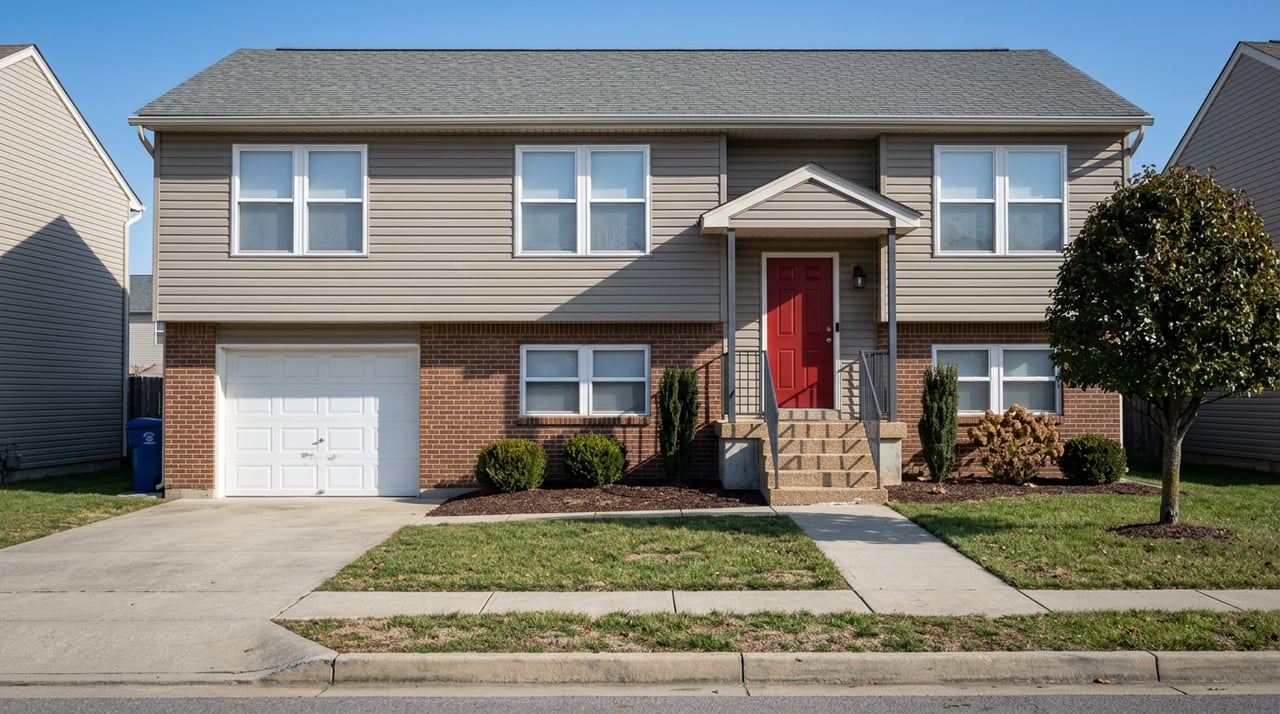
Thinking about right‑sizing but not sure where to start? If you have lived in your Carroll County home for years, the idea of decluttering, timing the market, and coordinating your next move can feel overwhelming. The good news is you can make a clear plan that protects your equity and lowers stress. In this guide, you will learn how the local market affects your timing, how to estimate net proceeds, and the exact steps to prepare, sell, and move with confidence. Let’s dive in.
Carroll County market at a glance
Recent reporting shows a median sale price around $460,000 in Carroll County, with homes averaging roughly 50 to 53 days on market. Sale outcomes vary by neighborhood, price point, and condition, so a local CMA is essential when you are close to listing. Spring is still the peak season here. Listings launched April through June often see more showings, faster sales, and stronger proceeds compared with the winter months.
A measured pace benefits downsizers who want control. In markets where the sale‑to‑list ratio sits near the high 90s, well‑prepared, well‑priced homes move faster and need fewer concessions. You can plan a 6 to 12 week prep window ahead of a spring launch so your home shows its best when buyer traffic is highest.
Estimate your net proceeds
Know your taxes and fees
Maryland uses layered deed taxes. In Carroll County, the county recordation schedule equals about $6.50 per $500 of consideration (about 1.3%), and the state transfer tax is 0.50%. Together, typical deed taxes are often shown around 1.8% of the sale price. The county’s FY2025 budget materials also noted changes to the county recordation fee structure, so it is smart to review the latest numbers with your title company early in the process. You can also confirm any recent base real property tax changes discussed during FY2025 budget hearings. Learn more in the county’s FY2025 update on recordation and tax items at the Carroll County budget news page.
Commission structures now vary by listing agreement and negotiation. Align on services, pricing strategy, and how buyer‑agent compensation will be handled before you sign your listing paperwork. Title, HOA resale, and settlement fees also apply and will be itemized by your title company.
Sample proceeds math (illustrative)
Here is a simple example using the recent county median sale price:
- Sale price: $460,000
- Deed taxes at about 1.8% if the seller pays all: $8,280 (if split 50/50, seller share about $4,140)
- Commission examples: 5% = $23,000; 6% = $27,600
Estimated net before mortgage payoff and other fees:
- If seller pays all deed taxes and a 5% commission: $460,000 − $8,280 − $23,000 ≈ $428,720
- If taxes are split and commission is 6%: $460,000 − $4,140 − $27,600 ≈ $428,260
Your actual figures will reflect your listing agreement, negotiations, and who pays which taxes in your contract. Ask your agent and title company for a detailed net sheet early so you can plan with confidence.
Capital gains basics for long‑time owners
Many long‑time homeowners qualify for the federal capital gains exclusion on a principal residence. Under Section 121, you may exclude up to $250,000 of gain if single or $500,000 if married filing jointly, if ownership and use tests are met. Review the rules in IRS Publication 523 and speak with your tax advisor if you have unique circumstances, such as major improvements, a recent move, or a second home.
Prep your home to sell
Declutter with a plan
Start early if you can. AARP’s year‑out checklist breaks tasks into manageable steps from 12 months to moving week, which is perfect for downsizers who want a low‑stress process. Use it to map out decluttering, document gathering, pre‑list inspections, and packing phases. Review the AARP home‑sale countdown checklist to build your timeline.
Local support can make a big difference. The Carroll County Division of Aging & Disabilities is a strong starting point for service referrals, including senior move managers. For donations, the county’s Donation & Reuse Directory lists area partners, and Habitat for Humanity’s ReStore in Westminster offers pickup for many large items.
Repairs, inspection, and ROI
Tackle small, visible repairs before listing. A pre‑list inspection can surface easy fixes that prevent last‑minute credits during buyer inspections. Focus on safety items, minor plumbing or electrical, sticky doors, and curb appeal.
Staging also matters. NAR research reports that staging often reduces time on market and can produce offers that are 1 to 10 percent higher than comparable unstaged homes, with many sellers spending a modest amount focused on the living room, primary bedroom, and kitchen. See highlights from NAR’s staging insights here.
Price and presentation
Your goal is to attract the broadest qualified buyer pool. In balanced or slower months, slightly more aggressive pricing paired with excellent preparation usually outperforms overpricing. Use a fresh CMA and listen to early showing feedback. If you are not getting offers, adjust quickly so days on market do not work against you.
Time your next purchase
Sell first: lower risk and simpler math
Selling first means you know your net proceeds and do not carry two mortgages. This path is often recommended for downsizers who will use sale proceeds to fund their next purchase or who value a smoother transition. You can keep flexibility with a short-term rental or by negotiating a post‑settlement occupancy.
Buy first: when the right home is rare
If you are targeting a rare condo, single‑level home, or a specific community, buying first can help you write a stronger, non‑contingent offer. Common tools include bridge loans and HELOCs. Bridge loans are short‑term and typically repaid when your current home sells. HELOCs have variable rates and different underwriting rules. If you consider this path, get multiple quotes and ask each lender how they will qualify you with both payments on the books. Learn the basics of bridge financing from FirstBank’s overview.
Use a rent‑back thoughtfully
A negotiated rent‑back lets you stay in the home for a short time after closing. It needs buyer and lender approval and should be documented with clear terms: daily or monthly rent, security deposit, utilities, maintenance, and insurance responsibilities. Keep the period short, and coordinate closely with your title company and insurer so there are no surprises.
Your downsizing timeline
Use this as a quick plan you can tailor to your situation.
9 to 12 months out (ideal)
- Discuss goals and timing with family. Define must‑haves for your next home.
- Gather improvement records, permits, and major appliance manuals.
- Begin high‑level decluttering. Decide what to donate, sell, or keep. The AARP checklist is a helpful guide.
3 to 6 months before listing
- Request a comparative market analysis and a prep consult.
- Schedule a pre‑list inspection and get quotes for small repairs, painting, landscaping, and staging.
- Book donation pickups and plan drop‑offs using the county’s Donation & Reuse Directory.
4 to 6 weeks before listing
- Complete repairs, finish staging, and schedule professional photos.
- Align on pricing strategy and showing plan. Decide if a rent‑back could help your move.
- Confirm deed tax estimates with your title company so your net sheet is current. See county updates on recordation and related fees here.
Under contract to close (about 30 to 45 days)
- Hire movers, set a packing schedule, and order supplies.
- Confirm mortgage payoff, utilities, mail forwarding, and settlement details.
- If buying first, lock in bridge or HELOC terms and keep extra reserves. Review bridge loan basics at FirstBank’s overview.
Local help for donations and moves
- Carroll County Division of Aging & Disabilities: A central starting point for senior programs, counseling, and referrals to move‑related services. Visit the county resource page here.
- Donation and reuse options: Use the county’s Donation & Reuse Directory to place furniture, clothing, and household goods. Habitat for Humanity’s ReStore in Westminster also offers convenient pickup for many large items. Learn more at Carroll County Habitat for Humanity ReStore.
- Senior move managers: Companies like Caring Transitions (Baltimore Metro) offer coordinated decluttering, packing, estate sale, and move‑day help. Request written estimates, check credentials, and confirm insurance.
Move‑out logistics checklist
- Movers: Get at least two written estimates. Confirm licensing, insurance, and whether the quote is binding or not‑to‑exceed.
- Packing: Start heavy items and storage areas 8 to 12 weeks out. Box smaller items 4 to 6 weeks out. Save a “first‑night” box with meds, chargers, documents, and basic tools.
- Storage and gap housing: Book a storage unit or short‑term rental if closing timelines do not align. A short gap can reduce stress and protect your sale price.
- Disposal: For items charities cannot accept, follow county guidance on bulky or restricted materials. Check hours and accepted items before you load up the car.
Ready to make your move with less stress and more clarity? Reach out to Dennis Thomas for a local pricing strategy, a clear prep plan, and a step‑by‑step timeline tailored to your goals.
FAQs
How long does it take to sell a home in Carroll County?
- Recent reports show average days on market around 50 to 53, but your timing depends on price, condition, and season; strong prep and pricing can shorten that window.
What deed taxes do Carroll County home sellers pay?
- County recordation is about 1.3% and the Maryland state transfer tax is 0.50% for a typical combined total near 1.8% of the sale price; confirm who pays which portion in your contract and with your title company.
When is the best time to list in Carroll County?
- Spring listings (April to June) generally bring more buyer activity and can yield faster sales; start prep 6 to 12 weeks before your target date.
Does staging really help downsizers sell faster?
- Yes; NAR research indicates staging often reduces time on market and can yield offers 1 to 10 percent higher than unstaged homes, with focused spend on key rooms.
Can I exclude capital gains when I downsize?
- Many sellers can exclude up to $250,000 of gain if single or $500,000 if married filing jointly on a principal residence; review IRS Publication 523 and consult your tax advisor.