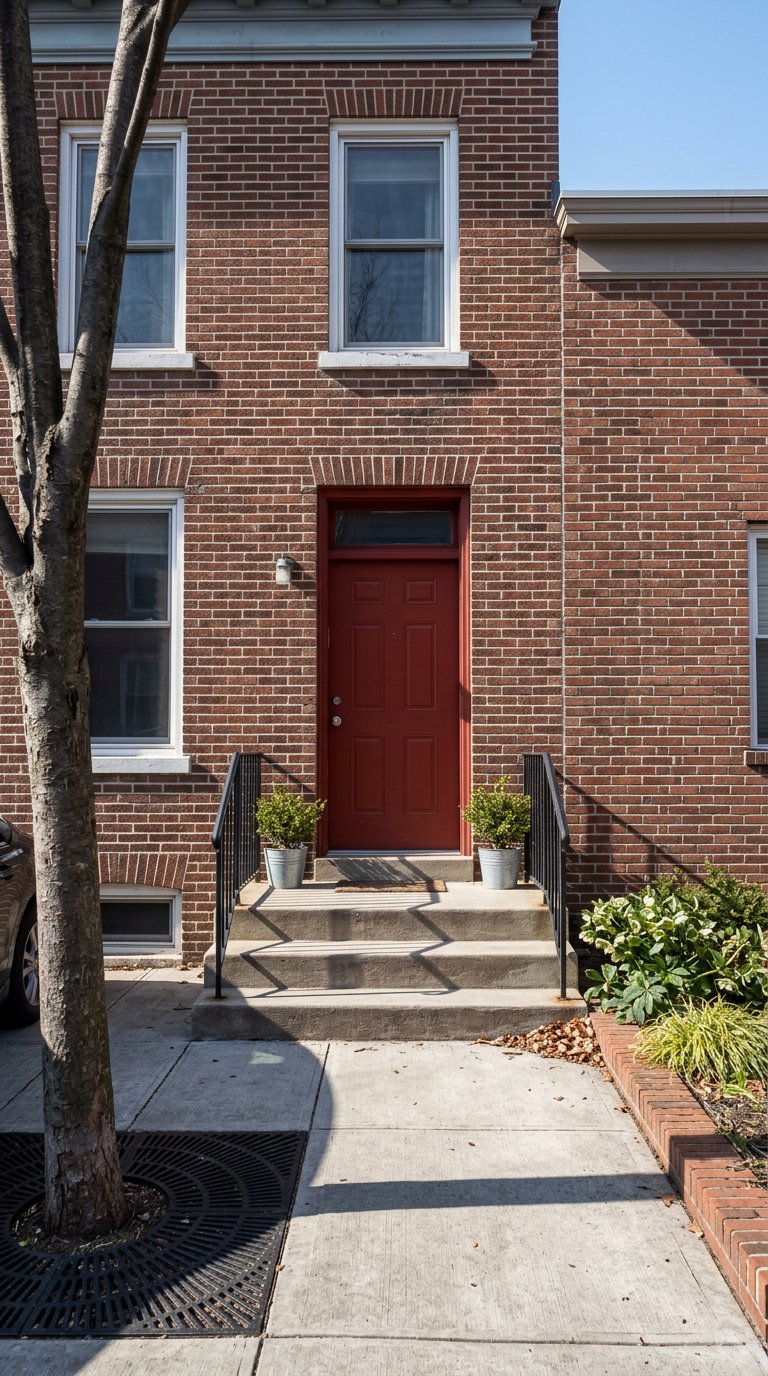
Craving a pint and a quick bite without leaving your neighborhood? In Baltimore City, breweries, food halls, and historic markets are part of everyday life, not just weekend destinations. If you want a home that fits that lifestyle, it helps to know where these spots cluster and what living nearby really feels like. In this guide, you’ll see the local hubs, how they shape routines, and what to consider if you plan to buy or rent close by. Let’s dive in.
Why these places matter
Baltimore’s craft beer and market scene spreads across many neighborhoods, not just one district. That means you can build a routine around nearby taprooms, markets, and food halls from Highlandtown to Hampden. Visit Baltimore highlights dozens of breweries and taprooms across the city, many with event calendars and outdoor space, which helps anchor evening and weekend plans for nearby residents. You can get a quick overview from Visit Baltimore’s brewery guide.
Public markets are part of daily food culture, too. Lexington Market reopened in a new facility as part of a broad Westside effort, and it still draws steady foot traffic and citywide attention. For context on the redevelopment and how it’s evolving, see Bisnow’s coverage of Lexington Market’s reopening and the Westside.
If you’re home shopping, these amenities can add real value. Research often points to a walkability premium, which means buyers are willing to pay more for homes near daily conveniences like dining and markets. For background on how amenity access can affect values, review the Pivo and Fisher study on walkability and pricing effects (read the study).
Neighborhood hubs to know
Remington and Union Collective
R. House is a chef-driven food hall with a central bar, indoor and outdoor seating, and a steady calendar of pop-ups and events. It works for a quick weekday lunch, a casual dinner with friends, or a weekend patio hang. You can browse current vendors and event vibes on the R. House site. Nearby, the Union Collective complex brings additional local makers and the city taproom for Union Craft Brewing, so you can often make a full afternoon of it.
What it feels like to live nearby: daytime coffee, flexible dinner options, and an easy walk to meet friends. Parking is limited during peak evenings, so many residents simply walk or rideshare.
Last verified: March 2026.
Highlandtown and the East Side
Highlandtown blends local restaurants with a warehouse-style taproom scene. Monument City Brewing anchors after-work pints and weekend meetups, and seasonal releases keep the calendar interesting. With Patterson Park nearby, many locals plan a late afternoon at the park followed by a simple beer-and-walk evening.
What it feels like to live nearby: low-key weeknights, patio hangs, and quick access to the park. Expect event nights to bring more street activity, so sample the area at different times if you’re considering a move.
Last verified: March 2026.
Waverly and Peabody Heights
Peabody Heights Brewery is known for live music, trivia, and a large outdoor area that shifts from daytime family visits to evening shows. Programming changes often, which keeps the scene fresh and gives you options whether you want a relaxed afternoon or a crowd.
What it feels like to live nearby: weekend brunch, a stroll through Waverly, then music or a comedy night at the brewery. Check the event calendar before you go so you can plan for noise and parking expectations on show nights.
Last verified: March 2026.
Brewers Hill, Station North, and Mount Vernon
Mobtown Brewing in Brewers Hill offers a neighborhood taproom setting, while Station North hosts smaller brewpubs like Wet City and Guilford Hall with food-forward menus and indoor or outdoor seating. The area often pairs well with gallery openings and music venues, so a beer can easily become a full night out.
Note on turnover: long-time favorite The Brewer’s Art, a Mount Vernon icon for decades, closed in February 2026. You can read more in WBAL’s report on the closure. Expect lineups and hours to change over time, and check venue pages before heading out.
Last verified: March 2026.
Federal Hill and Cross Street Market
Cross Street Market is a renovated historic market with a mix of legacy and new vendors. Residents lean on it for prepared foods, quick groceries, and casual meetups, and the surrounding blocks make bar hopping easy on weekend evenings. Learn about the market’s history and recent changes on the Cross Street Market site.
What it feels like to live nearby: coffee and errands during the day, Friday-evening energy, and Saturday brunch. As with any lively district, weekend crowds can affect parking and noise, so plan your visits to see how it fits your routine.
Last verified: March 2026.
Fells Point and Broadway Market
Broadway Market’s north shed functions like a compact food hall with seafood, quick eats, and easy access to the waterfront. It is a natural pre- or post-walk stop and blends well with Fells Point’s festivals and seasonal events. Get the latest on vendors and hours from the Broadway Market site.
What it feels like to live nearby: a walkable day that starts with lunch at the market and ends at a waterfront bar. Crowds ramp up on warm weekends, so consider your parking plan or embrace walking and transit.
Last verified: March 2026.
Hampden and Whitehall Mill
Hampden favors small festivals, neighborhood shopping, and independent dining. Nepenthe Brewing adds a casual taproom option, while Whitehall Mill’s marketplace gathers local vendors in a repurposed mill setting. For a snapshot of the market’s vendor mix when it launched, see this local report from Baltimore Fishbowl.
What it feels like to live nearby: a Sunday routine of market shopping, mid-day coffee, and an evening brewery visit. The vibe is walkable and community driven, with seasonal events shaping foot traffic.
Last verified: March 2026.
Bonus: Sunday under the JFX
The Baltimore Farmers’ Market & Bazaar sits under the Jones Falls Expressway at Holliday and Saratoga on Sundays in season. It is Maryland’s largest producer market and a weekly anchor for many households who plan meals, buy flowers, or grab breakfast there. Get dates and vendor info from the Baltimore Farmers’ Market & Bazaar site.
Last verified: March 2026.
Live near the fun without surprises
Breweries and food halls bring energy and convenience. They can also change how a block feels at night or on game days. Use these tips to test the fit before you choose an address.
- Visit at peak times. Go on a Friday evening and a Saturday afternoon to gauge foot traffic, noise, and parking. Do a weekday lunch run to feel the weekday rhythm.
- Check event calendars. Venue lineups and hours can shift. Food halls rotate vendors, and special events can draw large crowds. Look up calendars the week you visit.
- Think about your routine. If you want to walk to dinner twice a week, map the route and try it after dark. If you rely on a car, note parking rules and typical availability.
- Budget with amenities in mind. There is evidence of a walkability premium. Weigh the convenience you gain against the monthly payment for homes closer to these hubs.
- Plan for guests. If you host often, consider where visitors can park or wait for rideshares, especially on festival weekends.
Sample local weekends
East Side evening
Start with a late afternoon walk through Patterson Park. Grab dinner in Highlandtown, then head to Monument City for a relaxed pint. If a release or event is posted, expect more energy and plan to arrive a bit earlier.
North-central day out
Meet friends for coffee or brunch at R. House, then explore Remington’s shops. Wrap the day at Union Collective with a tasting flight and a snack from a nearby vendor. If you prefer quiet, target late afternoon before the evening rush.
South Baltimore stroll
Pick up prepared foods at Cross Street Market. Browse local shops in Federal Hill, then meet at a nearby taproom for the game. On warmer nights, loop back through the market for dessert and a nightcap.
Ready to explore homes near these hubs?
If this lifestyle sounds like you, let’s match it to the right block and budget. From East-side taprooms to South Baltimore markets, you can lean on local guidance to balance convenience, value, and day-to-day comfort. Reach out to Dennis Thomas to Schedule a Free Consultation and start touring neighborhoods that fit how you actually live.
FAQs
Are Baltimore’s breweries and food halls family friendly?
- Many public markets and some breweries offer daytime programming, casual seating, and flexible menus. Policies vary by venue and by time of day, so check the official site before you go.
Will living near a brewery or food hall cost more?
- Proximity to walkable dining and retail often carries an amenity premium. Expect to compare prices block by block and weigh the value of convenience against budget.
Do vendor lineups change often in food halls and markets?
- Yes, rotations are common. Renovations and refresh cycles can add or change stalls. Always review the current vendor list and hours before you visit.
How should I check for parking and noise near these hubs?
- Visit during peak hours, walk the immediate blocks, and note event nights on the calendar. If you rely on a car, look for residential permit requirements and typical street availability.
What should I know about market renovations or closures?
- Historic markets have gone through multi-year renovations, and some long-running spots have closed in recent years. Expect change, and confirm hours and tenants on each venue’s official page before planning a visit.